


-

Add: HeBei ShengShi HongBang Cellulose Technology CO.,LTD.
-

Email
13180486930@163.com -

CONTACT US
+86 13180486930



Hydroxypropyl methylcellulose (HPMC) and methyl hydroxyethyl cellulose (MHEC) are both crucial compounds in the construction and pharmaceutical industries, primarily known for their roles as thickeners, binders, and emulsifiers. Despite their similar appearances and overlapping functions, distinct chemical compositions and properties set them apart, leading to their unique applications. HPMC is a nonionic cellulose ether derived from the chemical modification of cellulose through methyl and hydroxypropyl groups. This modification lends HPMC several distinct properties, such as high water retention, film formation, and thermal gelation abilities. These characteristics make it indispensable in the construction industry, particularly in tile adhesives, cement renders, and gypsum products. Its ability to retain moisture is crucial in preventing cracking and improving workability during construction applications. Moreover, HPMC's bio-compatibility and non-toxic nature make it highly suitable for pharmaceutical applications, including drug delivery systems for controlled release, where precise administration of medication is paramount. On the other hand, MHEC, which boasts modifications with methyl and hydroxyethyl groups instead, has been designed to exhibit a high level of solubility in cold water and improved workability in formulations. This makes it particularly valuable for applications requiring excellent water retention and slip resistance, such as in the formulation of cement-based mortars. MHEC effectively enhances adhesion and open time, essential in ensuring superior bonding and satisfactory application of paints and coatings. Additionally, its ease of dissolution in both hot and cold water grants it versatility and adaptability across an array of conditions. When comparing HPMC and MHEC, it's essential to highlight their distinctive thermal gelation properties. HPMC exhibits a more clearly defined gel point temperature, making it advantageous for products requiring stability under varied temperature conditions. This characteristic is particularly pivotal in construction settings where temperature fluctuations can significantly impact material performance. MHEC, while also possessing thermal gelation capabilities, delivers slightly different responses to temperature changes, which can be selected based on specific application needs. difference between hpmc and mhec Sustainability and safety are ever-increasing concerns in contemporary industrial practices. Both HPMC and MHEC align well with these values, as they are derived from natural cellulose and are biodegradable. However, HPMC is often preferred in the pharmaceutical sector due to its long-standing safety profile and extensive research supporting its use in consumable products. MHEC, while also safe, does not boast the same depth of usage history in the pharmaceutical industry, which may influence its selection for certain drug formulations. Application cost is another factor distinguishing HPMC from MHEC. While both cellulose ethers are similarly priced, slight variations can occur based on supply chain dynamics and regional availability. Generally, the choice between these two compounds will hinge on the specific functional requirements of the application rather than economic differences . Decision-makers in industries where precise formulations are critical should conduct rigorous testing to determine which compound best meets their needs. In conclusion, while both HPMC and MHEC serve as valuable assets in numerous industrial applications, careful consideration of their unique properties and specific application requirements is imperative. The differences in solubility, thermal behavior, and historical usage suggest that neither is inherently superior but rather suited to different scenarios. By leveraging the precise attributes of each cellulose ether, companies can optimize their formulations for improved performance and cost-effectiveness. Understanding these nuances not only enhances manufacturing processes but also aligns product development with evolving industry standards and sustainability goals.
- 40000tons

Production
- 20+years

Experience
- 5000+㎡

Acreage

-
Navigating the complex waters of supplements and their components can be daunting. However, one name that often comes up in discussions about high-quality supplement ingredients is VivaPharm HPMC. Many products owe their efficacy to this compound, making it a focus for consumers and industry experts alike. This article aims to shed light on VivaPharm HPMC, exploring its true potential through the lenses of experience, expertise, authoritativeness, and trustworthiness. VivaPharm HPMC—or Hydroxypropyl Methylcellulose—is more than just a mouthful of syllables. It represents the pinnacle of cutting-edge supplement technology. As a pharmaceutical-grade cellulose derivative, it is uniquely engineered for consistency and reliability in various applications. In the competitive world of health supplements, the need for trustworthy components has never been more critical. VivaPharm HPMC meets these requirements impeccably, supporting its host of benefits with strong empirical data and industry endorsement. From an experiential standpoint, VivaPharm HPMC enhances product performance by acting as a controlled-release agent. This means that once ingested, the active ingredients in a supplement are metabolized steadily, providing a more consistent and sustained effect. This is particularly beneficial for pharmaceuticals and dietary supplements that require precise delivery mechanisms to maximize efficacy. Users have long hailed this feature as a game-changer, often citing extended relief and improved outcomes as noteworthy benefits. Personal testimonials and documented case studies abound, underscoring the real-world impact of products utilizing VivaPharm HPMC. Professional expertise is another critical factor that positions VivaPharm HPMC as a superior choice for health applications. Pharmacists and formulators routinely emphasize the compound’s versatility in enhancing solubility and stability of hydrophobic active ingredients. Its non-ionic and inert characteristics also ensure compatibility with numerous formulations, mitigating issues of cross-reactivity—a critical consideration in the pharmaceutical and nutraceutical industries. It’s clear that expert consensus places VivaPharm HPMC in a league of its own, with extensive research supporting its use across diverse product categories. vivapharm hpmc Authoritativeness in the realm of supplement ingredients cannot be overstated. VivaPharm stands as a bastion of quality assurance and regulatory compliance . Products incorporating VivaPharm HPMC are frequently subjected to rigorous quality testing and adhere to stringent industry standards. This dedication to excellence not only instills confidence among manufacturers but also reassures consumers of the safety and reliability of the supplements they choose to incorporate into their health regimens. Such authoritative backing is essential in an industry fraught with dubious claims and subpar products. Lastly, the trustworthiness of VivaPharm HPMC is reflected in its global reputation. Garnering endorsements from industry bodies and being a staple ingredient for top-tier supplement brands, VivaPharm exemplifies transparency and integrity. The company’s commitment to sustainability and ethical sourcing further cements its status as a trusted leader in the field of supplement production. Consumers increasingly demand accountability and green practices from the brands they support, and VivaPharm undoubtedly delivers on these fronts. In conclusion, whether for personal use or large-scale manufacturing, VivaPharm HPMC serves as a benchmark for quality and reliability. Its proven benefits in controlled release, combined with broad industry expertise and authoritative endorsement, make it a standout ingredient in the world of supplements. As consumers become more informed and discerning, the demand for trustworthy, high-performing components will continue to rise. VivaPharm HPMC, with its holistic applicability and steadfast dedication to quality, is well-poised to remain at the forefront of this dynamic field, ensuring that the supplements reaching consumers are as effective and safe as possible.
-

Navigating the ever-evolving world of skincare ingredients, one might stumble upon hydroxypropyl starch phosphate, a seemingly esoteric compound that has quietly begun to revolutionize the beauty industry. Often overshadowed by more market-friendly terms such as hyaluronic acid or niacinamide, hydroxypropyl starch phosphate offers unique properties that provide tangible benefits for skin health and beauty. The purpose of this exploration is to uncover its secret potential, establishing its rightful place among trusted skincare resources. Hydroxypropyl starch phosphate , a modified starch, is derived from naturally occurring corn or potato starch. Through chemical processes, this starch undergoes modification to become more functionally versatile, displaying excellent stability and compatibility with a wide range of cosmetic formulations. Starch, a known polysaccharide, is selected for transformation due to its pristine texture, sustainable production, and high dermal compatibility. The resultant compound serves as a thickening agent and stabilizer, contributing to a better product feel and extended shelf life. From a professional perspective, this ingredient's most remarkable feature is its ability to improve the sensorial aspect of cosmetic formulations. Thanks to its molecular structure, formulations incorporating hydroxypropyl starch phosphate provide a silky, smooth texture without any residual stickiness or tackiness. This characteristic is invaluable not only to formulators looking to enhance user experience but also to end-users who desire a luxurious application feeling. hydroxypropyl starch phosphate for skin Digging deeper into the expertise domain within cosmetic sciences, hydroxypropyl starch phosphate enhances the appearance and functionality balance in cosmetic products. It protects and hydrates the skin by forming a breathable barrier on the surface. This non-occlusive shield allows the skin to maintain moisture while protecting it from environmental stressors. Moreover, the presence of this ingredient boosts the efficacy and delivery of active ingredients. By improving formulation texture, active agents like antioxidants or vitamins do not face barrier challenges, ensuring they effectively reach skin tissues. The authority of hydroxypropyl starch phosphate lies in its growing acceptance in dermatology circles and its benefits validated by empirical evidence. Clinical studies emphasize its hypoallergenic nature, making it suitable for sensitive skin types—a major advantage for those facing notable skin reactions from other thickening agents. Its non-irritating profile
advantages
-

200000 Viscosities
Excellent product
We can produce pure products up to 200,000 viscosities
-

40000 tons
High yield
We don’t stop production all year round, and the annual output can reach 40,000 tons
-

24 hours
Quality service
We provide 24-hours online reception service, welcome to consult at any time
———— Inquiry Form
Schedule A services


-
 polipropilen_yang_diperkuat_fiberglass
Oct . 25, 2025
When exploring the landscape of construction materials, HPMC Limited emerges as a pivotal player, re -
 hpmc_hidroxipropilmetilcelulosa
Oct . 25, 2025
Choosing the right shampoo is essential for maintaining healthy hair and scalp. One emerging option -
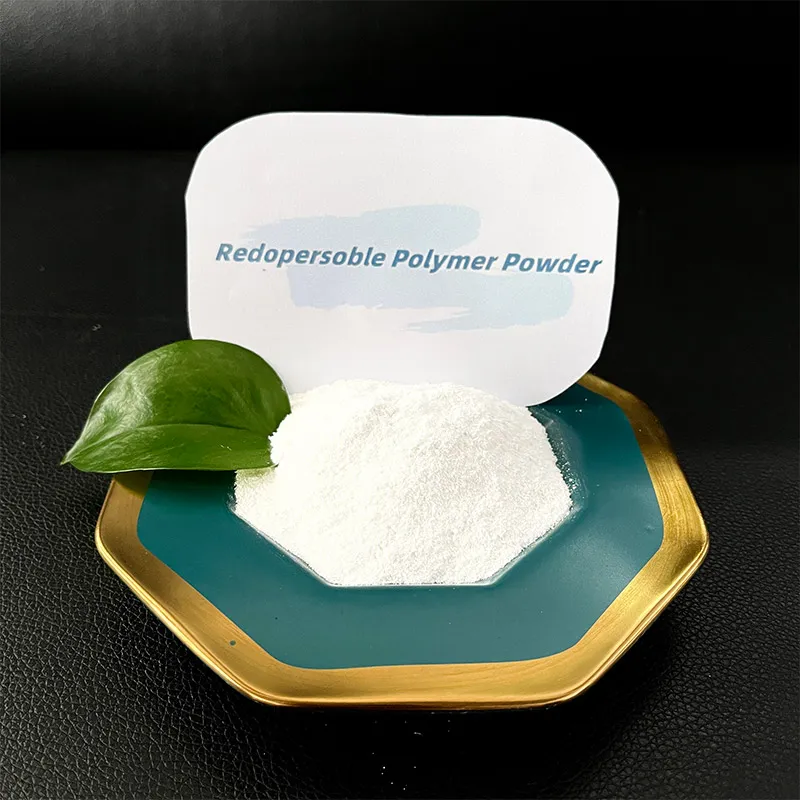 poudre_redispersable_vae
Oct . 25, 2025
Innovative material engineering is transforming industrial textiles, and strategic blending of fibre


